Golf Pad TAGS
4.0Editor score
Lightweight NFC club tags
No charging or syncing
Distance and accuracy analysis
Our smart golf game tracking system guide compares automatic sensors, smart grips, club tags, GPS watches, and launch monitors for useful shot data.
A smart golf game tracking system can turn an ordinary round into a detailed record of distance, accuracy, club performance, and overall consistency. The strongest options automate more of the process, connect with useful apps, and make it easier to identify which parts of your game deserve attention.
This guide compares ten golf tracking products spanning sensor systems, smart grips, lightweight club tags, GPS watches, and a portable launch monitor. We considered the tracking method, required equipment, compatible devices, available statistics, convenience, and practical features described in each product’s information.
Each review explains what the system is best suited for, where it differs from the alternatives, and which golfers may appreciate its particular approach. Product features and availability can change, so readers should verify current specifications and prices with the seller before purchasing.
4.0Editor score

4.1Editor score

4.1Editor score
The products below cover several distinct tracking approaches, from fully automatic club sensors and smart grips to manually tapped NFC tags, watch integrations, and launch-monitor metrics. Compare the required equipment, compatibility, and type of analysis before deciding which method best fits your round and practice routine.




The Arccos Smart Sensors are built for golfers who want detailed shot data without interrupting their swing routine to tap a phone or watch. This fourth-generation package includes 16 lightweight, weather-resistant sensors: 15 regular club sensors and one putter sensor. Its 4.1 rating reflects a feature-rich system centered on automatic capture and a broad collection of on-course insights.
We may earn a commission when you buy through this link, at no additional cost to you.
Automatic tracking is the defining advantage. Once the sensors are assigned to clubs, the system is designed to record the shots you take without requiring a separate tap before each stroke. The app also provides an AI-powered GPS rangefinder that adjusts for wind, including gusts, elevation, temperature, humidity, and altitude. That makes the displayed distance more contextual than a single unadjusted measurement.
There are still practical trade-offs. A membership is included for the first year for new users, but the description states that a membership is required after that period. Sensor batteries, sensor placement, and the possibility of one sensor failing can also affect long-term convenience. Even so, the value of a dedicated putter sensor and truly hands-free capture distinguishes this package from tag-based alternatives.
This is our leading choice for golfers who want a complete, automatic system and are comfortable maintaining another piece of connected equipment. It is particularly well suited to players who value AI-adjusted yardages, club-by-club performance data, and a minimum number of actions during play. For those priorities, the Arccos Smart Sensors offer the most cohesive package in this guide.
The most important benefit is the lack of a required pre-shot routine. With tracking handled automatically, golfers can focus on the shot and review the resulting data after the round rather than continually reaching for a phone or watch.
Adjusting the GPS distance for wind, elevation, temperature, humidity, and altitude gives golfers a more useful number when conditions are changing. The system can then compare that contextual data with club averages and other performance measures.
We may earn a commission when you buy through this link, at no additional cost to you.
This Arccos Smart Sensors package shares the automatic, sensor-based design of the first entry but places greater emphasis on interpretation and strategy. It includes 15 smart sensors and one smart putter sensor, along with strokes gained analytics, personal AI caddie advice, outcome predictions, and comparison of approach shots with Matt Fitzpatrick and other PGA TOUR players.
We may earn a commission when you buy through this link, at no additional cost to you.
The broader analytics make this listing appealing to golfers who want more than simple distance logs. Personal caddie advice can provide optimal and alternative strategies for each shot, while strokes gained analysis is intended to pinpoint strengths and weaknesses relative to a target handicap. Smart club distances also show how far a player actually carries each club in different situations.
Its data can become a strength or a learning curve. Golfers who enjoy reviewing detailed round reports may find the insights highly useful, while those who only want a simple score and distance summary may find them excessive. The first year of app membership is included for new members, and a membership is required afterward. An annual sensor renewal program also supplies five new sensors each year for additional clubs or replacements.
Choose this version if strategic guidance and detailed performance analysis are central to your goals. It is a strong fit for the data-oriented golfer who wants automatic capture, environmental GPS adjustments, and access to a wide range of post-round insights. For casual users seeking the simplest possible experience, the companion Arccos sensor package may be easier to evaluate.
Personal AI caddie advice and outcome predictions expand the system beyond a record of what happened. These features are intended to suggest strategies before the shot and help golfers understand the likely result of different approaches.
The listed annual renewal program provides five sensors each year for added clubs or replacements. This can be useful for golfers who want expansion coverage, although buyers should still consider the ongoing membership requirement.
We may earn a commission when you buy through this link, at no additional cost to you.
Golf Pad TAGS offers a straightforward approach to golf tracking through lightweight NFC tags attached to club grips. Rather than relying on an electronic sensor in every club, golfers tap the appropriate tag to a compatible phone before a shot. The system records distance, accuracy, and club use without requiring manual data entry, and its 4.0 rating reflects a practical package for budget-conscious golfers.
We may earn a commission when you buy through this link, at no additional cost to you.
The appeal lies in the absence of charging cables, separate powered hardware, and sensor batteries. Once configured, the tags communicate with the Golf Pad app to build a round record. Afterward, golfers can examine putting stats, club averages, accuracy percentages, and scoring trends, then edit, export, and share their results with friends or a coach.
The main compromise is manual interaction. A tap is required before each shot, which can interrupt the pace of play and make it less attractive to golfers who specifically want automatic tracking. Compatibility also matters: the tags work with NFC-enabled Android devices and iPhone 7 or later, excluding the original iPhone SE. A compatible phone and the associated app are therefore central to the experience.
Golf Pad TAGS is a sensible choice for golfers who want meaningful round analysis without maintaining a network of electronic sensors. It is especially helpful for players who already use their phone for scorekeeping or share their rounds with a coach. If uninterrupted automatic capture is the top priority, an Arccos system may be a better fit.
Because the tags do not require charging, setup is focused on attaching them to grips and using the phone app. That simplicity makes the system appealing for golfers who do not want another rechargeable device to maintain.
Putting statistics, club averages, accuracy percentages, and scoring trends provide a broad view of performance. Editable rounds and export options also make the recorded information useful for friends, coaches, and longer-term comparison.
We may earn a commission when you buy through this link, at no additional cost to you.
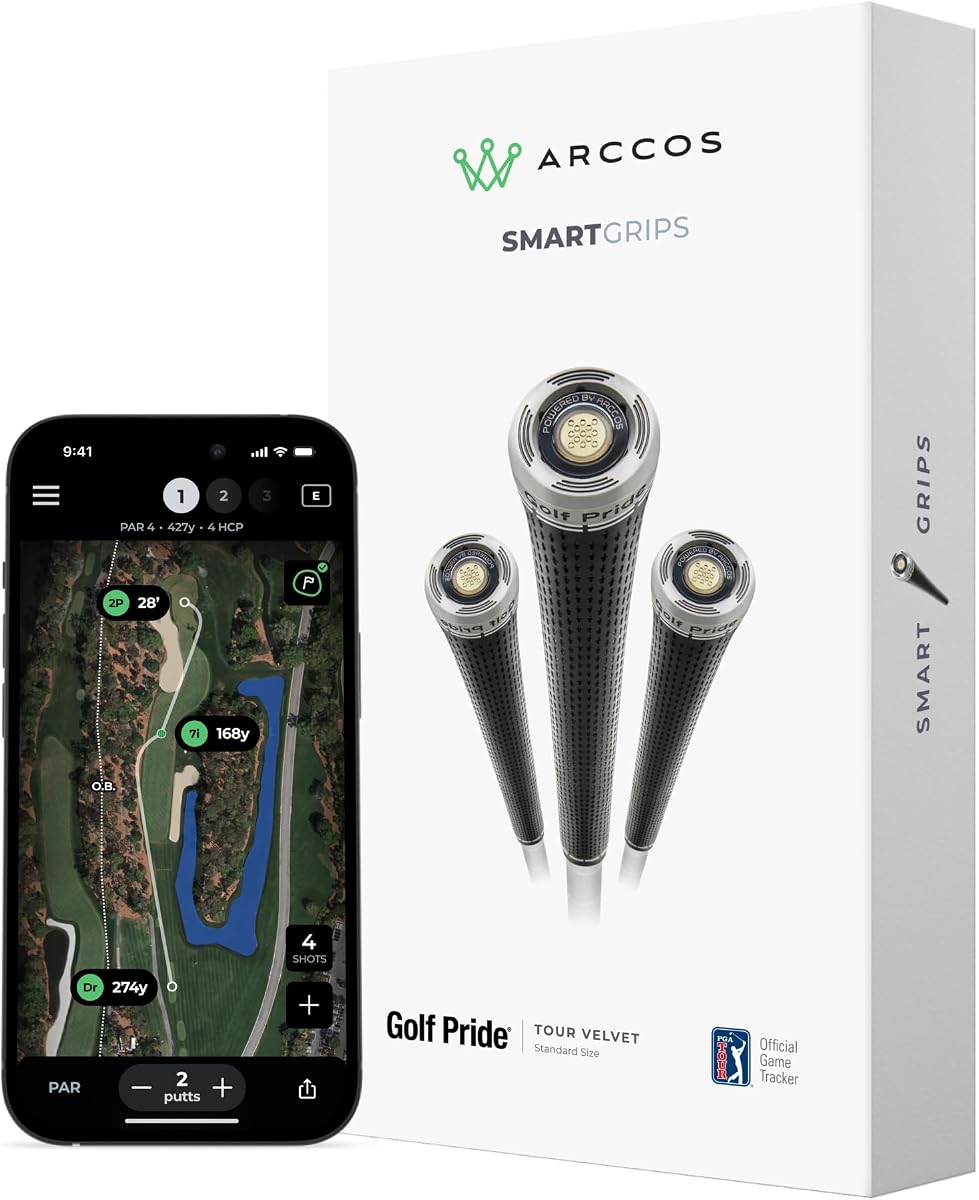
The Arccos Smart Grips Tour Velvet Standard Set combines 13 premium Golf Pride MCC Plus4 grips with embedded Arccos sensors and a screw-in putter sensor. It provides the same core appeal as standalone sensor systems—automatic shot tracking and detailed analysis—but integrates the technology directly into the grips. Its 4.4 rating is the highest among the club-tracking packages in this guide.
We may earn a commission when you buy through this link, at no additional cost to you.
Because the sensors are embedded, golfers do not need to manage a loose tag for each club. The app provides automatic shot capture, an AI-powered GPS rangefinder, Plays Like distances to any point on the course, and smart club distance calculations. The included standard-size grips also replace the existing grips, while the separate putter sensor captures putting data.
This approach has an obvious trade-off: the tracking hardware and the grips are combined, so buyers must replace their current grips to adopt the system. The product description states that installation does not require special tools or processes, but golfers should still consider whether their club count and preferred grip size match the included set. First-year app membership is included, while continued use depends on the membership terms after that period.
The Tour Velvet set is our premium pick for golfers who want tracking to feel integrated into their equipment rather than added on afterward. It suits dedicated users who value automatic capture, a complete grip set, and a putter sensor in one package. Those willing to replace their grips and commit to the ecosystem receive one of the most polished approaches in the category.
Embedding the sensors into premium grips removes the visual and physical clutter of separate club tags. The result is a cleaner setup with automatic capture and a matching putter sensor.
The package includes 13 Golf Pride MCC Plus4 grips in the specified standard sizing. Because the tracking technology is integrated, this system is best considered as a full grip-and-tracking upgrade rather than a simple add-on.
We may earn a commission when you buy through this link, at no additional cost to you.
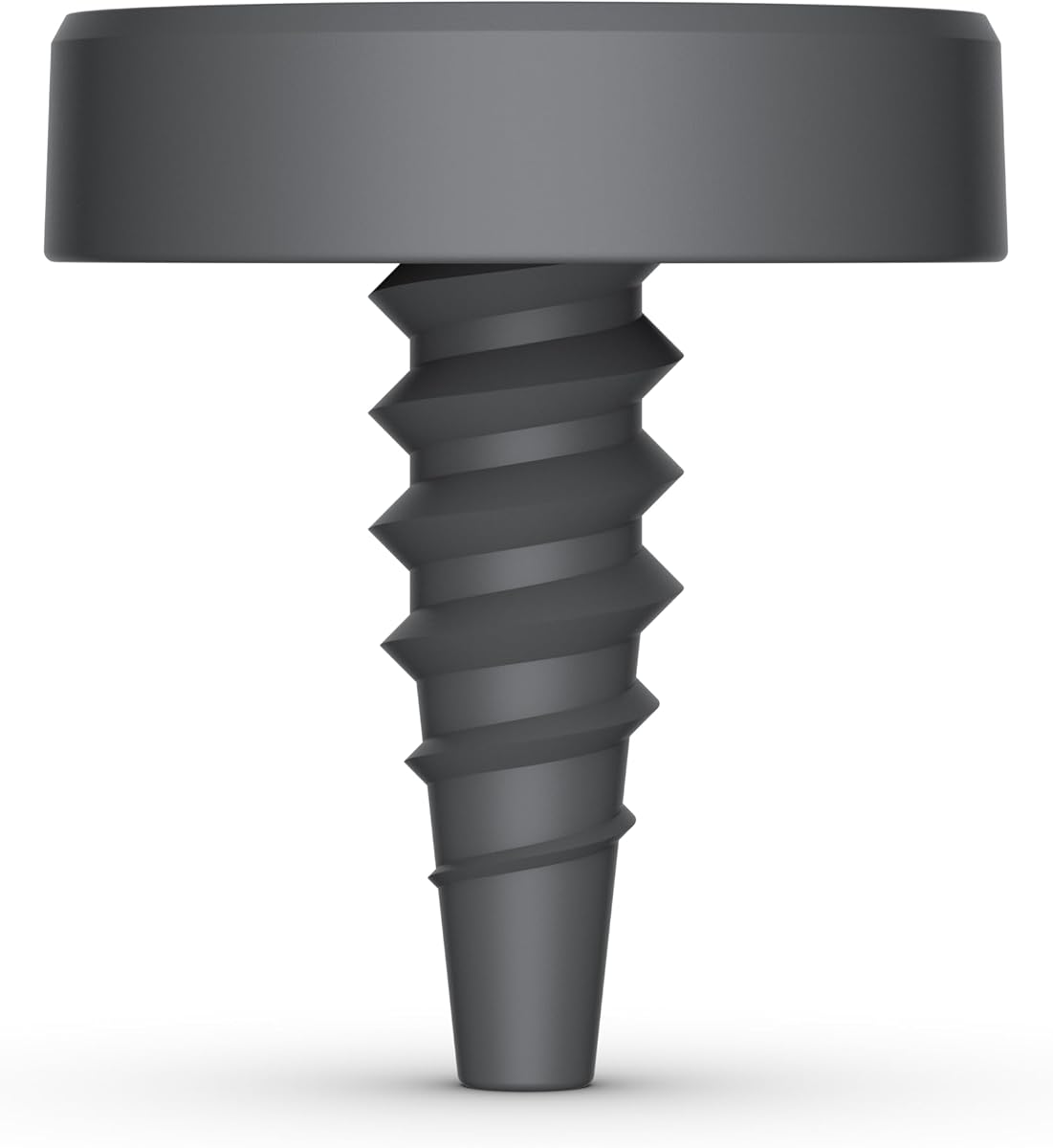
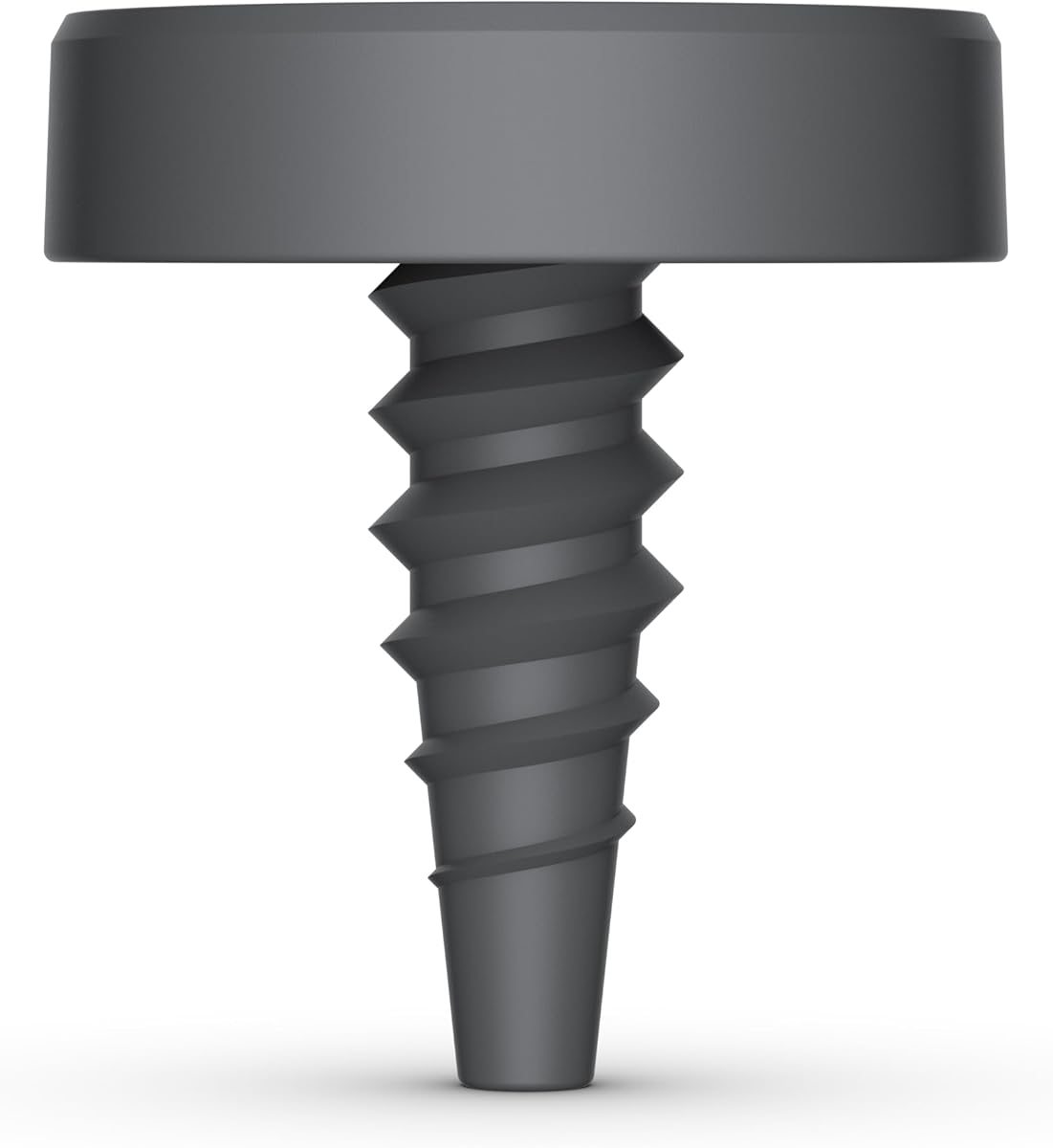
The Arccos Caddie Smart Grips provide automatic recording and analysis for every shot, without the tagging or tapping required by some competing systems. The set contains 13 standard-size Golf Pride MCC Plus4 grips and a screw-in Arccos Putter Sensor. With a 4.4 rating, it stands out as one of the strongest integrated tracking choices.
We may earn a commission when you buy through this link, at no additional cost to you.
The app combines artificial intelligence, GPS rangefinding, smart distance club averages, and strokes gained analytics. These features are designed to explain performance across multiple parts of a round rather than merely report the longest or shortest shot. The GPS function and club averages also help golfers understand how equipment behaves under actual playing conditions.
The central compromise is that the system changes the physical setup of the clubs. Golfers must install the supplied smart grips instead of retaining their current grips, and a putter sensor must be screwed into the putter. The description says special tools or processes are not required, and the two-year warranty adds reassurance, but compatibility and fit should still be checked before installation.
This package is well suited to golfers who prioritize automatic data capture and a deeper analysis of their games. It is a natural fit for players willing to standardize on the included grip system. Those who want a less permanent upgrade may prefer standalone sensors, while golfers who already own compatible tracking clubs should compare what additional analytics they actually need.
Automatic recording means golfers can keep their attention on club selection and shot execution. The absence of a required pre-shot tap can make the system feel more natural during competitive or fast-paced rounds.
Strokes gained analytics, GPS data, and club averages provide several ways to evaluate progress. Together, they can reveal patterns that a basic scorecard or distance log would not make obvious.
We may earn a commission when you buy through this link, at no additional cost to you.
The Arccos Smart Grips MCC Plus4 Midsize Set is the midsize counterpart to the standard smart-grip options. It combines 13 midsize Golf Pride MCC Plus4 grips with a screw-in Arccos Putter Sensor, automatically tracking shots without requiring tagging or tapping. The product has a 4.4 rating and focuses on AI-powered insights and full-round analysis.
We may earn a commission when you buy through this link, at no additional cost to you.
The app is described as unlocking PGA Tour-level data insights through artificial intelligence, a GPS rangefinder, smart distance averages, and strokes gained analytics. For golfers who want to understand performance rather than simply record it, the combination can turn a round into a detailed practice plan. Automatic tracking also means fewer routine actions between shots.
As with other integrated grip systems, this option requires a complete replacement of the golfer’s grips. The midsize specification is the key differentiator, so golfers accustomed to another size should not assume it will feel right. First-year app membership is included, and the product requires continued membership afterward under the stated terms.
This set is most appropriate for golfers who prefer midsize grips and want automatic tracking built into their clubs. It offers the same broad analytics as the standard set while potentially improving fit for the intended user. If fit is correct and the membership model works for the buyer, it is a strong all-in-one choice for data-driven players.
The main physical benefit is access to the tracking system in a midsize grip format. Correct sizing can be important for control and comfort, making the fit a meaningful part of the purchase decision.
AI insights, strokes gained information, GPS distances, and club averages allow golfers to examine several aspects of performance. Reviewing those measures over time can help identify where targeted practice would be most useful.
We may earn a commission when you buy through this link, at no additional cost to you.
The Garmin Approach CT10 Starter Kit includes three automatic club tracking sensors for golfers who already use a compatible Garmin golf watch. The sensors detect shots and connect with the watch to record locations, distances, and club type. Its 4.5 rating is the highest among the products in this guide, reflecting a focused approach for Garmin users.
We may earn a commission when you buy through this link, at no additional cost to you.
Because the sensor is installed on a club, pulling that club from the bag allows the watch to show statistics associated with it. Golfers can review typical distance for every equipped club along with accuracy to the fairway or green. The collected data can also feed into strokes gained and other statistics used by professional golfers.
The main limitation is ecosystem dependence. A compatible Garmin golf watch is needed to pair with the sensors, and this starter kit contains only three sensors rather than a complete set. Additional equipped clubs may therefore require further sensors. The CT10 system also does not provide the embedded-grip or battery-free tag approaches found elsewhere in the list.
The CT10 Starter Kit is an excellent choice for a Garmin user who wants automatic club recognition and detailed performance analysis. It is less suitable for someone starting from scratch, since the watch and remaining club sensors are separate requirements. For an established Garmin setup, however, it provides a clean and expandable way to add club-level tracking.
When a sensor-equipped club is removed from the bag, compatible watch statistics can identify the relevant club data. This reduces the manual entry required to maintain accurate club averages and accuracy figures.
The starter format lets buyers begin with three sensors rather than immediately equipping every club. That can make it easier to test the workflow before adding coverage to the rest of the bag.
We may earn a commission when you buy through this link, at no additional cost to you.
The Garmin Approach CT1 uses lightweight, battery-free tags attached to the end of club grips. Golfers tap a tag to a compatible Garmin golf smartwatch before playing a shot, allowing the watch and Garmin Golf app to record the stroke, club type, location, and distance. This gives the category a simple option without electronic charging requirements.
We may earn a commission when you buy through this link, at no additional cost to you.
Each club can produce its own distance average, while fairway and green accuracy offer additional context. In the Garmin Golf app, strokes gained analysis can be viewed for different parts of the game, and trend tracking is intended to show where improvement is developing. The tags cover clubs ranging from driver to putter, allowing a complete bag to be equipped.
The design has clear limitations. Unlike the CT10, each shot requires a tap, which can interrupt play and become inconsistent over a full round. A compatible Garmin golf smartwatch is also required. Its 3.6 rating is the lowest in the guide, so buyers should be especially attentive to whether the manual workflow and Garmin-specific setup meet their expectations.
The CT1 is best for Garmin users who prefer a passive, battery-free tag over a rechargeable automatic sensor. It is useful for golfers willing to make tapping part of their routine and who want detailed club tracking in the Garmin app. For uninterrupted capture, the CT10 is the more natural companion within the same ecosystem.
The battery-free design removes charging from the ownership experience. Once the tags are attached, golfers can focus on compatibility and the pre-shot tap routine rather than monitoring sensor power.
Because the tags can be added from driver through putter, golfers can build club-specific distance and accuracy records. Adding a club gradually is also possible, making the system less demanding than equipping everything at once.
We may earn a commission when you buy through this link, at no additional cost to you.
The Garmin Approach R10 is a portable launch monitor rather than a conventional on-course shot tracker, but it adds a different and highly detailed layer to smart golf analysis. It can be used at home, indoors, or on a driving range to measure club head speed, ball speed, swing tempo, ball spin, launch angle, and other metrics when paired with a compatible smartphone.
We may earn a commission when you buy through this link, at no additional cost to you.
The R10 is particularly valuable for golfers trying to understand ball flight and swing consistency. Training mode tracks statistics for each club and presents a shot dispersion chart based on estimated ball flight. It can also record video clips automatically and associate the relevant swing metrics with them, giving the golfer both a visual reference and numerical evidence to study.
This is a specialized purchase. It does not automatically map every full round in the manner of a club sensor or smart-grip system, and a compatible smartphone is needed for the listed app-based metrics and video features. The stated battery life is up to 10 hours, and the included phone mount attaches to a golf bag for easier viewing. Buyers should also confirm their space and practice setup are suitable for launch-monitor use.
The R10 is our premium pick for golfers focused on practice and technical improvement. It is ideal when the goal is to understand launch behavior at home or on the range rather than merely log a round. Its detailed metrics, dispersion charts, and automatically recorded video make it a powerful companion to an on-course tracking system.
The launch monitor allows repeated measurement in a controlled practice environment. Club-by-club statistics and dispersion charts make it possible to compare consistency while focusing on specific swing or ball-flight variables.
Automatic video capture links the movement of a swing with its measured metrics. Seeing the same delivery alongside speed, angle, and other data can make practice goals easier to understand and compare.
We may earn a commission when you buy through this link, at no additional cost to you.
The Garmin Approach S12 is a GPS golf watch that can serve as the central display for compatible Approach CT10 club sensors. It includes more than 42,000 preloaded courses, a high-resolution sunlight-readable display, and up to 30 hours of stated battery life in GPS mode. Its 4.4 rating makes it a strong all-around option for golfers who want course guidance and optional club tracking.
We may earn a commission when you buy through this link, at no additional cost to you.
The watch keeps score on the wrist and provides front, center, and back green distances as well as hazard and dogleg yardages. With a compatible smartphone, it can upload scores to the Garmin Golf app and participate in weekly leaderboards. When combined with the separately sold CT10 sensors, it can also record club distance and score automatically as equipped clubs are used.
The important distinction is that this is a watch rather than a standalone sensor package. The tracking sensors are not included, so a buyer interested in automatic club data needs a Garmin CT10 setup. It also does not provide the launch-monitor measurements or smart-grip integration available from some other products in the guide.
The S12 is ideal for golfers who want a dependable GPS watch first and may want to add club tracking later. It offers a large course selection, useful green information, score keeping, and optional sensor integration in one wearable package. For a complete automatic system without separate tags, the Arccos options provide a more integrated route.
More than 42,000 preloaded courses reduce the need to download location data before every outing. Front, center, back, hazard, and dogleg distances support planning throughout the round.
When paired with Approach CT10 sensors, the watch can automatically record score and club distance. This gives buyers a clear upgrade path without requiring a separate display for every tracked statistic.
We may earn a commission when you buy through this link, at no additional cost to you.
The right golf tracking system depends on how you play, which devices you already use, and whether you value automatic capture, detailed analysis, practice metrics, or simple scorekeeping. Comparing the tracking method, equipment requirements, compatible devices, and statistical depth will prevent you from choosing a system that is inconvenient in regular use.
Automatic systems detect shots without a required tap, which is the most convenient option for maintaining focus during a round. Arccos sensors and smart grips emphasize this hands-free approach, while Garmin CT10 sensors can automatically track when used with a compatible watch. Golf Pad TAGS and Garmin CT1 tags require a tap before each shot, making them more affordable and simpler in some respects but less suitable for golfers who dislike adding a step to every stroke.
A tracking product is only useful if it works with the devices you already carry. Golf Pad TAGS requires an NFC-enabled Android device or iPhone 7 or later, excluding the original SE. The Garmin CT10, CT1, and Approach S12 require compatible Garmin devices for their club-tracking functions, while the Approach R10 uses a compatible smartphone with the Garmin Golf app. Confirm both the hardware model and operating-system requirements before buying.
Basic tracking may only confirm the club and distance, while advanced systems can compare accuracy, calculate club averages, estimate strokes gained, and identify patterns by part of the game. Golf Pad provides putting statistics, accuracy percentages, and scoring trends. Arccos adds AI caddie advice, outcome predictions, environmental GPS adjustments, and comparisons with professional approach shots. Choose based on how deeply you intend to review the information.
Each physical format has practical consequences. Standalone sensors are usually attached to grips and can be moved between clubs or replaced individually. Tags are small and battery-free, but they generally require a tap. Smart grips integrate tracking hardware into 13 replacement grips plus a putter sensor, creating a polished system but requiring a full grip change. The best format is the one that provides reliable data while fitting your normal routine.
Several app-connected products include first-year membership or early access to premium features, but the descriptions state that membership is required after that period. This is particularly important for Arccos systems. The cost of continued access should be compared with the value of the automatic tracking, GPS tools, analytics, and advice you expect to use. A system is less compelling if its subscription does not support your most important goals.
Most sensor and watch products are designed to support rounds by recording clubs, locations, distances, and accuracy. The Garmin Approach R10 serves a different purpose, measuring launch behavior for home, indoor, or range practice. Club-level data can reveal general performance trends, but a launch monitor can provide detailed speed, angle, spin, tempo, dispersion, and video information. Serious practice golfers may want both course tracking and equipment-specific analysis.
Maintenance needs vary considerably. Golf Pad TAGS and Garmin CT1 tags need no charging, while Arccos sensors use long-lasting batteries and Garmin CT10 sensors are electronic devices that must be considered during the ownership cycle. Water resistance or weather resistance is also important because clubs and electronics are exposed to rain, dew, heat, and impacts. Review the stated durability and confirm that your storage and charging habits fit the system.
Consider where each system will be used and how it must be carried. A watch should offer a readable display, manageable size, and enough battery for a full round. Sensor packages need room in the bag and careful club assignment. NFC tags require only phone access during play, while the portable launch monitor needs a suitable practice area, a smartphone, and room to operate. A convenient setup can be as important as the number of statistics produced.
Begin by reading the manufacturer’s setup instructions and confirming that your phone, watch, clubs, and account are compatible. Assign every sensor or tag to the correct club, install the hardware securely, and complete any required app registration. For automatic systems, test the setup with a practice swing or short session before relying on it during a full round.
For manual tag systems, make the tap a consistent part of your routine and confirm that the correct club appears in the app before playing. For automatic sensors, keep the hardware clean and firmly attached, and check the app for missed shots or unusual distances. Wear compatible watches as directed and use the launch monitor in an appropriate area with the required phone mount and sufficient clearance.
After a round or practice session, review the recorded data while the context is fresh. Look for patterns rather than judging a single shot, and save or export useful rounds for later comparison. Clean removable sensors or tags according to their instructions, avoid exposing non-water-resistant electronics to excessive moisture, and recharge powered devices before they are needed for another outing.
Automatic sensor and smart-grip systems generally create the smoothest on-course routine because they do not require a tap before every shot. Golf Pad TAGS and the Garmin CT1 are simpler in a different sense because they use lightweight, battery-free tags, but golfers must remember to tap them to a compatible device. The easiest choice ultimately depends on which workflow you will repeat consistently.
Most of the systems listed require a compatible smartphone or smartwatch connection for their full functionality. Golf Pad TAGS uses NFC communication with a phone, while the Garmin club systems work with compatible Garmin golf watches and the Garmin Golf app. The Approach R10 also pairs with a compatible smartphone for metrics and video, making device compatibility an essential buying criterion.
A tracker can reveal useful patterns in distance, accuracy, club performance, and consistency, but it does not automatically make a golfer better. The improvement comes from reviewing those patterns, choosing an appropriate practice objective, and testing changes on the course. The Garmin R10 is more practice-focused, while the Arccos and Garmin systems are better suited to tracking full rounds and identifying performance gaps.
Automatic sensors are more convenient because they remove a repeated tap from the playing routine. Manual NFC tags can be simpler, lighter, and free from battery charging, which makes them attractive for golfers already comfortable using a phone to record shots. Consider consistency, distractions during play, and how much attention you are willing to give each pre-shot action.
Tracking coverage depends on the product and the equipment you own. Arccos sensor packages cover a full set with separate regular and putter sensors, while smart-grip packages include 13 grips and a putter sensor. Golf Pad and Garmin CT1 tags can cover the driver through putter, while the Garmin CT10 starter kit includes only three sensors and may require additions for complete bag coverage.
The Garmin Approach R10 is related but serves a different role. It measures launch performance for practice at home, indoors, or on a driving range and provides shot dispersion charts and automatic video. On-course trackers record club use, distance, accuracy, and statistics during a round. Some golfers benefit from using a launch monitor for practice and a separate sensor or watch system for rounds.
Follow the product instructions for attachment, cleaning, and battery care. Wipe dirt or moisture from the housing and grip area with an appropriate cloth, and check that each sensor remains firmly attached. Powered sensors should be recharged according to their instructions, while battery-free tags need no charging. Do not use water or harsh cleaners unless the manufacturer specifically permits them.
Start with the statistics most relevant to your current goals, such as club distance, fairway or green accuracy, dispersion, putting results, or strokes gained. Compare rounds rather than judging one isolated number, and look for repeatable patterns. The most useful system is not necessarily the one with the most data, but the one whose insights you understand and can turn into focused practice.
The Arccos Smart Sensors stand out as the strongest overall option for automatic, hands-free capture and contextual GPS distance information. Golf Pad TAGS is the budget-friendly alternative for golfers who are comfortable tapping a phone, while the Garmin Approach R10 takes the premium position for detailed home and range analysis.
Prioritize the workflow you will actually use: automatic capture, manual tapping, smart-grip integration, watch compatibility, or launch-monitor measurements. Also consider membership requirements, charging, device support, and whether you want round statistics, practice data, or both. The right system should be simple enough to become part of your regular routine and detailed enough to answer the questions you want to ask.
Before making a final purchase, verify the current specifications, included accessories, compatibility, and seller details. Product configurations and availability can change, and the listed price may not reflect the current offer. Taking a few minutes to confirm those details will help ensure that the chosen system fits both your equipment and your goals.