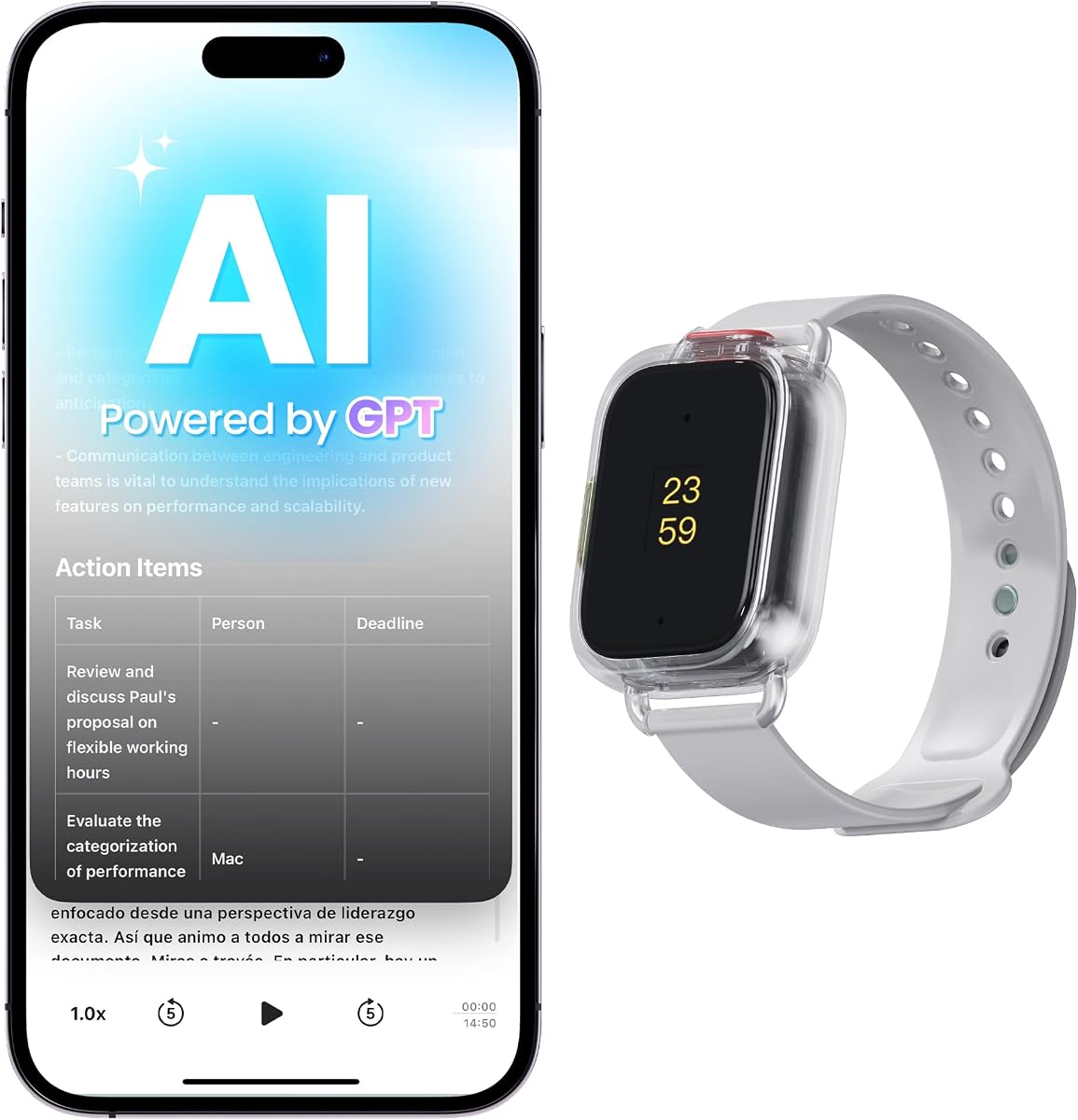
iFLYTEK P1 AI Voice Recorder
AI transcription and summaries
Dual omnidirectional microphones
Five-meter capture distance
Wearable three-way design
Discover the best bird call recorders for capturing, reviewing, and learning bird sounds, with practical comparisons of recording and listening features.
Bird call recorders help birdwatchers capture elusive songs, identify repeated patterns, and revisit sounds heard in noisy natural settings. A useful model should provide sensitive pickup, convenient controls, dependable storage, and playback that reveals enough detail to distinguish one call from another.
We compared the ten products for their recording or listening functions, sound capture, portability, storage options, and suitability for field use. The list includes dedicated bird-listening devices, general digital recorders, an AI transcription pen, and two products designed to imitate bird calls for practice and education.
Each review explains the product's strongest feature, practical limitations, and ideal user, from birdwatchers seeking short clips to learners who want a simple handheld recorder. Product availability and pricing can change, so verify the current listing before purchasing.

3.0Editor score

4.2Editor score
The comparison below separates dedicated bird-listening tools from general-purpose recorders and bird-call teaching aids. Key distinctions include listening range, clip duration, microphone configuration, storage, portability, and whether the device records sounds for later review or produces imitation calls.


The TR600 is a telephone call recorder that also includes a conventional voice-recording mode, giving it some relevance for users who want to capture sustained environmental sound from a fixed location. Its 3.8 rating reflects a mixed reception, but the feature set is unusually broad for a device in this category, including automatic and manual recording, LCD information, caller ID, and timestamped files.
We may earn a commission when you buy through this link, at no additional cost to you.
Its most useful audio-related feature is the meeting and lecture recorder mode, which allows the TR600 to function beyond telephone capture. Recordings can be played through the external speaker, while the included 16GB SD card stores files in chronological order. Loop recording automatically replaces older material when memory fills, reducing the need to manually archive bird sounds during a long field session.
The product requires a compatible analog, IP, or digital phone line, which sharply limits outdoor birdwatching use. It also does not provide the directional microphone, weather resistance, or binocular-style viewing expected from a dedicated bird-listening tool. The 3.8 rating and specialized design make it a secondary choice for most birders.
This recorder makes the most sense for someone who also needs phone-line recording or wants a stationary audio capture setup near a window, feeder, or garden. It is not the strongest recommendation for mobile birding, but its timestamped loop recording and removable storage are useful features for repeated observation. Consider it a specialized multipurpose recorder rather than a conventional field bird recorder.
Timestamped files and loop recording help users collect many separate calls without stopping to rename or delete each recording. The included memory also allows files to be transferred to Windows or Mac computers without extra software.
Voice and meeting modes broaden the TR600's usefulness, although its fixed installation and phone-line requirements make it less natural for active birdwatching than a handheld recorder.
We may earn a commission when you buy through this link, at no additional cost to you.
The supplied listing for ASIN B08862QQ22 does not include a product name, description, rating, or image. That leaves no factual basis for describing its microphone, storage capacity, recording format, listening range, or intended use. It is included in the roundup because the listing occupies a place in the supplied product set, not because its capabilities can be confirmed.
We may earn a commission when you buy through this link, at no additional cost to you.
Without a title or feature description, it is impossible to determine whether this is a dedicated bird-call recorder, a general voice recorder, an electronic caller, or another type of listening device. Even basic distinctions such as manual controls, removable storage, and headphone support remain unknown. A shopper should therefore treat it as an unverified listing rather than a recommendation based on field performance.
The lack of information also means there is no honest way to identify meaningful advantages or drawbacks. Any claim about recording range, recording duration, portability, or sound quality would be invented. Likewise, a numeric customer rating cannot be provided because the source data lists no rating for this item.
Before purchasing, open the linked listing and verify the current product name, manufacturer, included accessories, microphone design, storage method, battery requirements, and warranty information. It is only worth considering if those details confirm that it fulfills a specific need, such as wildlife listening or long-form field recording. Until then, choose one of the fully documented products in this guide.
Check the Amazon page for the exact model and included components because the supplied data does not identify the product. Confirm that it records rather than merely reproduces prerecorded bird sounds.
The other products in this guide provide clear information about capacity, controls, audio modes, or listening functions. Those documented details offer a more reliable basis for choosing a recorder.
We may earn a commission when you buy through this link, at no additional cost to you.
This compact digital recorder provides one of the most approachable ways to capture bird calls without investing in a specialized listening device. It has a 4.2 rating and a straightforward control scheme built around record, stop, and playback buttons. A sensitive microphone, DSP noise reduction, and support for external speakers make it useful for close-range birdwatching.
We may earn a commission when you buy through this link, at no additional cost to you.
Voice activation automatically starts when sound is detected and returns the unit to standby when the environment becomes quiet. This can reduce unnecessary recording time and power consumption. The stated 1536 kbps recording mode preserves more detail than a basic entry-level capture format, while more than 30 hours of continuous recording and seven hours of playback suit extended outings.
Its simplicity is also its main limitation. There is no stated long-range listening capability, dedicated bird database, waterproof housing, or specialized directional microphone. A wind, traffic, or forest background may affect the recording, and ordinary voice recorder design is not optimized for pinpointing a distant bird before it sings.
The recorder is best for beginners, children, casual listeners, and anyone who wants a low-cost way to preserve calls heard near a feeder or in a garden. Its USB removable-drive function makes files easy to organize on Windows. For distant species or advanced identification, move up to a directional bird-listening or AI-enabled device.
Voice activation is particularly useful when the observer does not know exactly when a bird will sing. The recorder can remain ready without capturing long stretches of silence.
Files can be dragged and dropped through USB and played as removable storage. That uncomplicated workflow is valuable for users who want to organize clips without specialist audio software.
We may earn a commission when you buy through this link, at no additional cost to you.
The Bird Caller Noisemaker is not a recording device; it is an electronic sound board that reproduces 16 bird calls. Its 4.2 rating reflects its appeal as a simple bird-themed teaching and novelty item. The included species range includes the Northern Cardinal, Blue Jay, American Robin, Mourning Dove, House Finch, Chickadee, and several other familiar birds.
We may earn a commission when you buy through this link, at no additional cost to you.
Its strengths are portability, immediate operation, and broad sound selection. The board includes three LR44/AG13 batteries, so it can be used for lessons, classroom demonstrations, outdoor activities, or sound-effect projects without a complicated charging routine. It may also help younger birdwatchers become familiar with common vocalizations before they begin identifying birds in the field.
This distinction is crucial: the device does not capture real birds, display a spectrum, identify species, or save clips. Its synthetic calls are not equivalent to field recordings and should not be used as the only reference when learning identification. It also cannot help a user locate a distant bird or preserve a spontaneous song.
Buy it for teaching, entertainment, gifts, or guided sound practice rather than as a primary bird-call recorder. It can complement a true recorder by familiarizing users with a species before they go outside. For serious documentation, pair it with a general digital recorder or a dedicated directional listening device.
A broad selection of familiar species makes the board useful for quick lessons or sound demonstrations. The variety is more educational than that of a single-call novelty item.
Hearing a prerecorded or synthesized call can prepare a beginner to recognize a pattern. True field practice still requires recording or listening to birds as they naturally sing.
We may earn a commission when you buy through this link, at no additional cost to you.
The Parabolic Microphone Monocular combines an 8x viewing scope with directional sound amplification for wildlife observation. It is not documented as a recorder, so its role in this guide is as a listening companion that can help users locate and hear birds before recording them with another device. The included 3.5mm headphone connection supports quieter observation.
We may earn a commission when you buy through this link, at no additional cost to you.
A parabolic microphone concentrates sound from a narrow direction, which can make faint calls easier to hear against a natural background. The built-in monocular serves a complementary purpose by helping a user spot birds at a distance and examine movement or identifying details. Owning headphones also allows the observer to listen without producing loud sound that might disturb nearby animals.
The absence of recording specifications is a major constraint. There is no stated clip capacity, storage format, file transfer method, or automatic recording control, so users cannot assume that it preserves what they hear. The product also has no supplied customer rating, which makes field performance harder to evaluate from the available information.
This option is best for a birdwatcher who wants to find and hear birds in quiet conditions, especially when visual identification and directional audio are equally important. It is a useful companion to a conventional recorder rather than a replacement. Choose a dedicated recording product if saving clips and replaying them for identification are the primary goals.
Pairing sound amplification with an optical view helps users connect a call with the bird producing it. That combination is especially useful for beginners learning visual and vocal field marks.
Headphones let the observer listen closely without speaking loudly or repeatedly calling attention to the location. The quiet approach can make hesitant birds easier to hear.
We may earn a commission when you buy through this link, at no additional cost to you.
The Monocular Listening Device is the most purpose-built bird-listening product in this roundup. It combines directional sound collection, an 8×21 monocular, and short clip recording in a single handheld device. Its 3.0 rating is the lowest numerical score among the rated products, but its specialized feature set is more directly aligned with birdwatching than most alternatives.
We may earn a commission when you buy through this link, at no additional cost to you.
The manufacturer states a directional listening range of up to 200 meters in a quiet outdoor environment. The microphone covers 20 to 20,000 hertz, with adjustable volume and noise-reduction processing. Users can capture clips of up to 12 seconds without installing a SIM card or SD card, then listen privately through the included headphones.
Twelve seconds is enough to preserve a distinct whistle, repeated phrase, or short exchange, but it cannot capture an extended dawn chorus or a long conversation among several birds. The maximum range is also dependent on environmental quiet, meaning wind, road noise, and dense vegetation may reduce practical performance. The device does not offer the longer sessions of a general-purpose recorder.
This is the best choice for birders who want immediate direction-finding, built-in viewing, and convenient short clips without managing separate memory cards. It is particularly useful for locating a singer, confirming a call, and sharing a brief moment later. Users who need long-form archives or AI transcription should choose a general recorder or the iFLYTEK P1 instead.
A narrow listening direction and the 8×21 scope let users search an area before committing attention. This reduces the need to guess which branch or distant tree contains the singing bird.
Recording up to 12 seconds without a SIM or SD card simplifies field operation. A brief call can be captured immediately and reviewed through headphones while the bird is still nearby.
We may earn a commission when you buy through this link, at no additional cost to you.
The 760H combines a 64GB memory capacity with a highly compact voice-activated design, making it useful for users who want extended bird recordings in a discreet package. It holds a 4.0 rating and weighs just 0.08 pound, so it can fit in a pocket, attach to a belt, or hang from a key ring without becoming burdensome.
We may earn a commission when you buy through this link, at no additional cost to you.
Its rechargeable 200mAh battery can record for up to 28 hours, and the stated storage can accommodate as much as 760 hours of high-quality audio. The device can record while charging, automatically saves files when the battery is low, and provides seven levels of voice-sensor sensitivity for controlling when voice activation begins.
Noise cancellation and HD recording support lectures, interviews, meetings, and casual outdoor capture, but the product does not advertise a bird-specific directional range or weather sealing. A tiny general-purpose recorder may also be more sensitive to footsteps, clothing, wind, and handling noise than a dedicated parabolic or monocular system.
The 760H is a strong choice for birdwatchers who want many hours of continuous audio and a discreet form factor. Its sensitivity controls are helpful in mixed natural settings, where continuous activation could create large files. It is best for close and moderate-range birds, while users seeking distant, pinpoint listening should consider a directional monocular device.
The large memory allows users to record throughout a trip without frequently transferring files. Continuous recording and charging support extended observation sessions.
Seven sensitivity levels let an observer tune the trigger to nearby birds and reduce unwanted activation. The result is a more useful collection with fewer silent or irrelevant files.
We may earn a commission when you buy through this link, at no additional cost to you.
The ZDH set is a collection of nine handcrafted bird-call instruments made from beechwood and zinc alloy. It holds a 4.5 rating, tying for the highest documented score in this roundup, but it belongs in a bird-call recorder guide as an educational counterpart rather than a recording device. Each call is designed to imitate a natural bird song.
We may earn a commission when you buy through this link, at no additional cost to you.
The set's appeal lies in its tactile, traditional approach. Each piece is hand-polished, the nine calls provide variety, and the wooden presentation box with an acrylic window makes the collection easy to inspect, carry, and display. Birdwatchers can practice producing calls, teachers can demonstrate vocal patterns, and musicians or photographers can stage audio effects.
Because it does not capture or save field recordings, it cannot help users identify an unknown bird, locate a distant singer, or document a real interaction. Results will also vary with the user's blowing technique and familiarity with each instrument. The set is therefore not a substitute for a microphone, listening device, or recorder.
This set is an appealing gift for children, educators, collectors, and nature enthusiasts who enjoy learning bird songs. It can also help beginners practice recognizing distinct call patterns before attempting field identification. For actual documentation, select one of the electronic recorders or directional listening devices listed in this guide.
Using physical calls gives learners an active way to explore the rhythm and pitch of bird songs. That hands-on interaction can make species patterns more memorable.
The polished materials, matching wooden components, and windowed box give the set a presentation that goes beyond a simple novelty item. It can be displayed neatly between outings.
We may earn a commission when you buy through this link, at no additional cost to you.
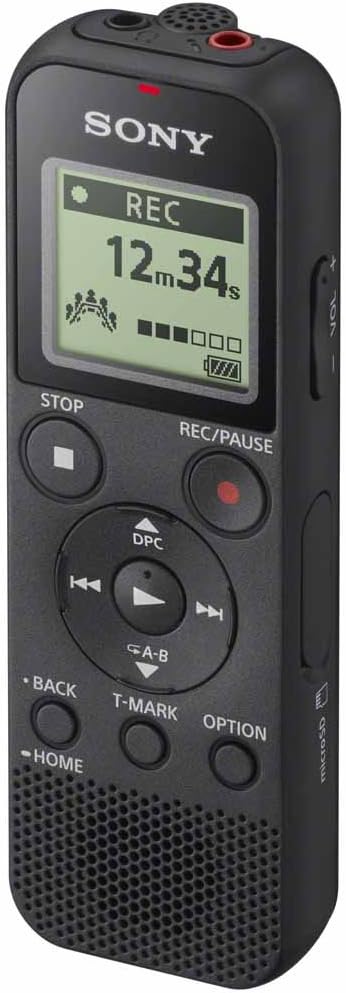
The Sony ICD-PX370 is a straightforward mono digital recorder built for dependable MP3 capture. It has a 4.5 rating, one of the strongest documented customer scores among the identified products, and its built-in USB connection makes recordings easy to move from the device to a computer.
We may earn a commission when you buy through this link, at no additional cost to you.
The stated battery life reaches 57 hours when recording MP3 at 128 kbps in stereo mode, although the unit itself is described as a mono recorder. That endurance makes it practical for dawn chorus sessions, all-day bird walks, classroom field studies, or recording sessions where a user cannot recharge frequently.
As a general digital voice recorder, it does not advertise a directional bird microphone, long-range acoustic mode, waterproof enclosure, automatic species identification, or specialized field controls. The simple MP3 format is broadly useful, but users may need separate editing software if they want precise clip boundaries, noise reduction, or a comparison library.
The ICD-PX370 is an excellent general-purpose choice for birdwatchers who value reliability, simple file handling, and long battery life over specialized acoustics. It is particularly useful for capturing multiple birds in a garden, wetland edge, or feeder area. For pinpointing a distant bird, pair it with the dedicated monocular listening device or a parabolic amplifier.
The stated 57-hour battery life supports extended field documentation. Users can record a full outing or multiple observation periods with less concern about battery depletion.
The built-in USB connection removes the need for a separate cable. MP3 files are also broadly compatible with common computers and audio workflows.
We may earn a commission when you buy through this link, at no additional cost to you.
The iFLYTEK P1 is the most advanced recording device in the roundup, combining a wearable recorder with AI-based transcription, summaries, translation, and speaker differentiation. It has no supplied numerical customer rating, but its documented software and microphone capabilities distinguish it clearly from conventional field recorders.
We may earn a commission when you buy through this link, at no additional cost to you.
The manufacturer states that a one-hour recording can be transcribed in about five minutes, with accuracy claimed up to 98%. It supports real-time transcription and translation across 11 languages, while speaker differentiation can separate multiple voices. These features could turn birdwatching interviews, guided walks, lectures, and educational notes into organized text.
For raw audio, the P1 uses dual microphones with 360-degree omnidirectional pickup and a directional mode. The stated maximum capture distance is five meters, and continuous recording lasts up to 25 hours per charge or five hours in a single supported session. Storage exceeds 700 hours, while Type-C charging, pass-through recording, and backup add flexibility.
At 22.5 grams, the device can be worn as a watch, clipped to clothing, or carried on a lanyard. It is best for serious naturalists who want searchable records, professional interviews, or a wearable recorder rather than a basic field unit. Bird-specific identification is not stated, and users should confirm app access, language support, and subscription details for their intended workflow.
Rapid transcription can convert interviews, guided tours, or verbal field notes into organized text. Speaker differentiation adds value when several people discuss a bird or a sighting.
Watch, clip, and lanyard arrangements let the recorder sit close to the speaker for clearer pickup. The directional mode can also focus on a chosen sound source.
We may earn a commission when you buy through this link, at no additional cost to you.
The most useful bird call recorder depends on whether you need to hear distant birds, save raw field audio, create teaching material, or transcribe spoken observations. Evaluate listening performance, recording format, field endurance, and the way you plan to use the audio before choosing.
Some products record the sounds they collect, while others only amplify them or reproduce prerecorded calls. A true recorder needs a microphone, storage, playback controls, and a method for transferring files. Directional listening devices may capture brief clips without a memory card, which is convenient in the field but limits recording length. Teaching boards and handmade call sets serve a different purpose entirely and should not be judged by recording specifications.
Choose a recording model if you want evidence, review clips, share a song, or study changes over time. Choose an amplifier or monocular listener if your main goal is to locate and hear birds in real time.
Distant bird calls compete with wind, leaves, insects, traffic, and human speech. A directional or parabolic microphone concentrates on sound from a narrower area and can make faint calls easier to detect. Dedicated bird-listening products also pair the microphone with optical viewing, allowing you to see the source and compare its appearance with the sound.
For general recorders, consider the microphone sensitivity and whether noise cancellation is adjustable. Automatic activation can help, but overly sensitive triggering may save constant background noise. Compare listening range under realistic conditions rather than relying on a maximum figure alone.
Short clips are often sufficient for a clear whistle or a repeated phrase, and they make it easy to review the exact moment a bird was located. Some dedicated listening devices capture up to 12 seconds without removable media. General recorders may provide 28 hours or more of continuous operation, which is better for a full dawn chorus, but produces many more files to organize.
Think about the typical outing. A short specialist clip recorder suits brief observations and immediate playback, while a high-capacity voice recorder suits teaching, research notes, and long sessions. Longer files also require thoughtful storage, backup, and file-naming habits.
Internal storage keeps the device simple, but removable memory can make expansion and transfer easier. Some recorders appear as a removable drive over USB, while others require a memory card. AI recorders may additionally offer cloud storage, cross-device synchronization, exports, and conversation history. Review whether these services require an app, account, or subscription.
Choose a format your computer can use without unnecessary conversion. MP3 is broadly compatible and works well for ordinary field collections, while proprietary files may require dedicated software. Confirm export options before relying on cloud features for long-term storage.
Long birding sessions often begin before sunrise and continue for hours. Battery life therefore matters more than a small difference in weight. The products here range from devices with a 28-hour stated runtime to one with up to 57 hours, plus a rechargeable model that can record while charging.
Check charging method, battery type, and whether the stated runtime applies to a particular recording mode. Voice activation and lower bitrates may extend sessions, while a screen, Bluetooth connection, or AI features can add power demands. Carry a charging plan for all-day trips.
Reviewing a call is easier when the device offers clear playback, adjustable volume, repeat controls, and a way to mark useful sections. Some models include a built-in speaker and support external headphones. AI transcription can add searchable summaries and speaker labels, although it is primarily designed for speech rather than automatic bird-species classification.
For learning, combine your recorder with a field guide, spectrogram software, or a bird-call reference library. None of the listed products claims comprehensive automatic species recognition, so recordings should support an informed identification process rather than replace it.
A recorder that is comfortable to carry is more likely to be used. Pockets, belt clips, lanyards, and wearable straps offer different levels of convenience, but a small body can also pick up handling or clothing noise. Handheld monocular designs are easy to point but require a steadier grip. Weather resistance is not stated for most products, so protect electronics from rain and moisture.
Choose a form that suits the activity. Use a wearable model for interviews and guided tours, a compact voice recorder for hands-free field notes, and a monocular listening device for visual searches. Keep protective cases and a dry storage plan in mind.
A recorder documents natural calls, while a caller or sound board teaches recognizable patterns. Handmade wooden calls can make a hands-on activity for children or beginners, while an electronic board offers quick access to numerous species. These products can be useful additions to a birding kit but cannot substitute for capturing real field audio.
For education, compare the range of species, the realism of each call, portability, and the learning age for whom the product is intended. A board is easy to operate, whereas wooden instruments reward practice. Check local rules before using any caller, and never use artificial calls where they could disturb wildlife or create conflicts.
Before entering the field, charge the recorder fully, install or format its storage, test the microphone, and confirm that the clock is correct. Timestamps and accurate filenames make recordings easier to organize. Listen to a short test clip in both headphones and the built-in speaker, and adjust sensitivity or volume while the device is still indoors.
At the location, stay still and scan the tree canopy, shrubs, and sky before recording. Direct the microphone toward the apparent source and keep wind, clothing, and footsteps away from the microphone. Use voice activation for hands-free sessions, but choose a sensitivity that does not save constant background noise. For short-clip devices, begin recording before the bird repeats its phrase.
Afterward, create a backup before editing or deleting anything, organize files by location and date, and listen for the clearest examples. Keep the device dry, clean the microphone gently, and store it in a protective case away from direct heat and impact. Follow local recording, privacy, and wildlife-protection laws, and avoid artificial calls in sensitive areas.
A recorder with a sensitive or directional microphone, clear playback, and easy file transfer is most useful for identifying birds. Dedicated monocular listeners can also help users see the bird producing a sound. The best choice depends on whether you need immediate detection, short clips, long sessions, or searchable transcriptions.
None of the listed products advertises comprehensive automatic bird-species identification. Some general recorders provide noise reduction, voice activation, and AI transcription for speech, while bird-focused devices emphasize listening and viewing. Identification usually still requires comparing the recording with a field guide, expert knowledge, or specialized bird audio software.
A directional monocular is better for locating and hearing a distant bird, and it may record brief clips for immediate review. A general voice recorder usually offers longer sessions, larger storage, and more flexible file handling. Many birders benefit from using both, but a monocular is the stronger choice when finding the source is the priority.
Twelve seconds is often enough to capture one repeated call or a clear phrase, making short specialist recordings convenient for field identification. Longer sessions are better for a dawn chorus, comparison studies, or capturing interactions among several birds. Choose based on how much audio you expect to review afterward.
All recorders can pick up wind, but directional microphones and noise reduction can make wind more manageable. Wind protection on the microphone, a sheltered recording position, and careful handling help. No listed product states comprehensive weather resistance, so rain and moisture should be avoided or prevented with a protective case.
No. A recorder captures natural sounds for later playback, while a caller produces an imitation of a bird song. Handcrafted call sets and electronic sound boards can help people learn vocal patterns, but they do not document real birds or locate a singer in the field.
Voice activation is useful when calls are intermittent because it reduces the need to monitor the recorder continuously. A highly sensitive setting can nevertheless save footsteps, wind, and distant conversations. Test several sensitivity levels and use continuous recording when timing and full context matter.
AI transcription is most useful for spoken field notes, interviews, guided tours, and lectures about birds. It can organize human commentary and make observations searchable, but it does not replace listening analysis of the birds themselves. Users should verify any app, account, storage, and subscription requirements before buying an advanced AI recorder.
The Monocular Listening Device is the strongest dedicated choice because it combines directional listening, an 8×21 view, and immediate 12-second clip recording. The iFLYTEK P1 leads advanced users with dual microphones, wearable operation, and extensive AI transcription tools, while the 16GB Digital Voice Recorder provides the most approachable general-purpose capture experience.
Prioritize the feature that matches your activity: long-range listening for finding birds, high-capacity recording for full sessions, direct playback for immediate learning, or transcription for spoken observations. The Sony ICD-PX370 is a proven general recorder, the 760H supports discreet extended capture, and the bird-call boards and wooden sets are better understood as educational tools.
Check the current product listing, included accessories, battery information, and software requirements before purchasing, since features and prices can change. Availability may also shift over time, so confirm that the selected model still provides the microphone range, storage method, and playback controls you need.